
Eastern Michigan Athletics
It's Just Hair: How Taeley Mahler Found Identity Beyond Appearance
8/25/2026 10:06:00 AM | Volleyball
Volleyball junior was diagnosed with alopecia areata in the spring of 2026
YPSILANTI, Mich. (EMUEagles.com) – Taeley Mahler didn't plan to shave her head.
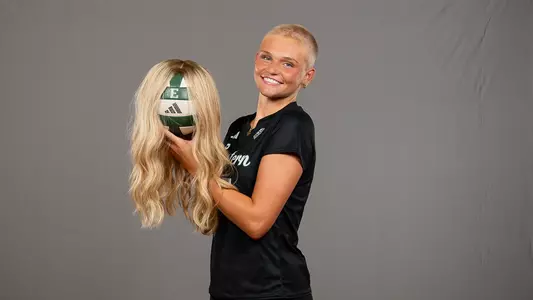
But after watching her hair fall out day after day, the Eastern Michigan University volleyball junior decided she would rather choose when to let it go than continue watching it disappear on its own.
The decision came in July, months after Mahler (Ft. Wayne, Ind./Homestead) first noticed something was wrong. What started with a bald spot and a diagnosis of alopecia areata would ultimately become a lesson in confidence, identity and the power of the people around her.
In the spring of 2026, Mahler noticed large quantities of hair falling out when brushing it, showering, and going about her day. Towards the end of March, Mahler's roommate noticed a large bald spot in the back of her head.
For Mahler, the discovery immediately sparked panic. Immediate calls to her parents and dermatologist had Mahler headed home to Ft. Wayne, Ind., for a dermatologist appointment the following day. There, she was diagnosed with alopecia areata, an autoimmune disease where the body's immune system mistakenly attacks healthy hair follicles, causing sudden hair loss in round patches on the scalp, face, or body.
"From there, It was ongoing hair loss every day," said Mahler. "With the hair loss being caused by stress already, I was getting more stressed out by seeing it fall out every day, so I made the decision to shave my head in July."
A gathering of friends, family, and loved ones ensued, however it didn't go how you may expect.
"It was hard, but we had fun with it," said the junior outside hitter. "My hair was really long at the time, so we cut it into a bob and even cut it unevenly where one side was much longer than the other."
With faith playing a large role in the Mahler's lives, the group gathered for a prayer before finally shaving Mahler's head.
"That was the hardest part. We all cried and let everything out for about 10 minutes," said Mahler.
Mahler's mother, Carrie, began the process with a straight line down the middle of Mahler's head while her siblings, father, and Mahler herself chipped in.
"After it was done, I felt so relieved that I didn't have to see my hair falling out the way it was anymore," said Mahler.
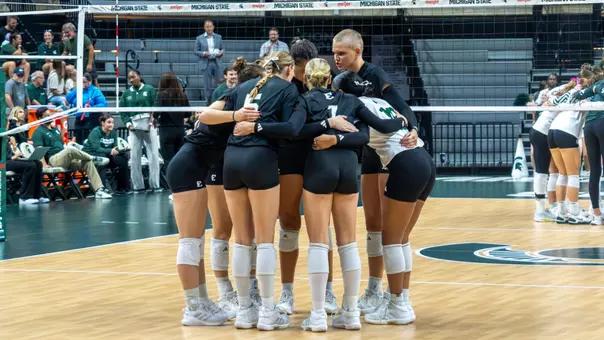
After learning of Mahler's decision to shave her head, her teammates proved they don't just support her on the court, but in all facets of life.
"When I got back to school, I walked into my room and my bed was covered in gifts, balloons, letters, candy, matching pajama sets, you name it," said Mahler. I'll never forget the love and support my teammates gave me."
Mahler credits friends and family for helping her feel comfortable in her new hairstyle.
"Everyone's like: 'You pull off being bald so well,'" said Mahler.
The third-year Eagle especially credits her father, Josh, for his unwavering support in her personal identity.
"On the first call I had with my dad when I first noticed my bald spot, he made it clear that my condition does not define me," said Mahler. "Over time, I've built my confidence through the people around me while realizing it's just hair and it does not determine who I am as a person."
Since Mahler made her condition public, she's taken on a leadership role for other young women battling the same condition.
"After my most recent post, I got a few direct messages from other girls with alopecia thanking me for giving them the confidence to shave their heads," said Mahler. "I now have the opportunity to make an impact on the community and that's exactly what I want to do."
"People won't remember what you look like," said Mahler. "They'll remember how you treated them and what kind of impact you had on their lives."
Mahler continued, "At the end of the day, it doesn't matter that much. It's just hair. Hopefully one day it grows back, but if not, I will be known by my personal qualities rather than my physical ones."
In the end, Mahler learned that what makes a person isn't found in the mirror. It's found in the way they carry themselves, the people they impact, and the person they choose to be.
It's just hair.
And as Mahler and the 50th edition of Eastern Michigan volleyball take the court Friday to open the 2026 season, she carries that lesson with her.
About Alopecia Areata
Alopecia areata is a common autoimmune disease, causing sudden hair loss on the scalp, face, and sometimes other areas of the body. There are different levels of alopecia areata severity. The three main types of alopecia areata are patchy, alopecia totalis (total hair loss on the scalp), and alopecia universalis (total hair loss on the body).
About the National Alopecia Areata Foundation
The National Alopecia Areata Foundation (NAAF) serves the community of people affected by an autoimmune skin disease called alopecia areata that results in hair loss and emotional pain. The National Alopecia Areata Foundation (NAAF) funds research to find a cure or acceptable treatment for alopecia areata, supports those with the disease, and advocates on their behalf. Founded in 1981, NAAF is widely regarded as the largest and most representative alopecia areata advocacy organization. NAAF connects with the alopecia areata community, including patients, family members, healthcare providers, and researchers through its support programs, email newsletters, website, research summits, and annual patient conference.
But after watching her hair fall out day after day, the Eastern Michigan University volleyball junior decided she would rather choose when to let it go than continue watching it disappear on its own.
The decision came in July, months after Mahler (Ft. Wayne, Ind./Homestead) first noticed something was wrong. What started with a bald spot and a diagnosis of alopecia areata would ultimately become a lesson in confidence, identity and the power of the people around her.
In the spring of 2026, Mahler noticed large quantities of hair falling out when brushing it, showering, and going about her day. Towards the end of March, Mahler's roommate noticed a large bald spot in the back of her head.
For Mahler, the discovery immediately sparked panic. Immediate calls to her parents and dermatologist had Mahler headed home to Ft. Wayne, Ind., for a dermatologist appointment the following day. There, she was diagnosed with alopecia areata, an autoimmune disease where the body's immune system mistakenly attacks healthy hair follicles, causing sudden hair loss in round patches on the scalp, face, or body.
"From there, It was ongoing hair loss every day," said Mahler. "With the hair loss being caused by stress already, I was getting more stressed out by seeing it fall out every day, so I made the decision to shave my head in July."
A gathering of friends, family, and loved ones ensued, however it didn't go how you may expect.
"It was hard, but we had fun with it," said the junior outside hitter. "My hair was really long at the time, so we cut it into a bob and even cut it unevenly where one side was much longer than the other."
With faith playing a large role in the Mahler's lives, the group gathered for a prayer before finally shaving Mahler's head.
"That was the hardest part. We all cried and let everything out for about 10 minutes," said Mahler.
Mahler's mother, Carrie, began the process with a straight line down the middle of Mahler's head while her siblings, father, and Mahler herself chipped in.
"After it was done, I felt so relieved that I didn't have to see my hair falling out the way it was anymore," said Mahler.
After learning of Mahler's decision to shave her head, her teammates proved they don't just support her on the court, but in all facets of life.
"When I got back to school, I walked into my room and my bed was covered in gifts, balloons, letters, candy, matching pajama sets, you name it," said Mahler. I'll never forget the love and support my teammates gave me."
Mahler credits friends and family for helping her feel comfortable in her new hairstyle.
"Everyone's like: 'You pull off being bald so well,'" said Mahler.
The third-year Eagle especially credits her father, Josh, for his unwavering support in her personal identity.
"On the first call I had with my dad when I first noticed my bald spot, he made it clear that my condition does not define me," said Mahler. "Over time, I've built my confidence through the people around me while realizing it's just hair and it does not determine who I am as a person."
Since Mahler made her condition public, she's taken on a leadership role for other young women battling the same condition.
"After my most recent post, I got a few direct messages from other girls with alopecia thanking me for giving them the confidence to shave their heads," said Mahler. "I now have the opportunity to make an impact on the community and that's exactly what I want to do."
"People won't remember what you look like," said Mahler. "They'll remember how you treated them and what kind of impact you had on their lives."
Mahler continued, "At the end of the day, it doesn't matter that much. It's just hair. Hopefully one day it grows back, but if not, I will be known by my personal qualities rather than my physical ones."
In the end, Mahler learned that what makes a person isn't found in the mirror. It's found in the way they carry themselves, the people they impact, and the person they choose to be.
It's just hair.
And as Mahler and the 50th edition of Eastern Michigan volleyball take the court Friday to open the 2026 season, she carries that lesson with her.
About Alopecia Areata
Alopecia areata is a common autoimmune disease, causing sudden hair loss on the scalp, face, and sometimes other areas of the body. There are different levels of alopecia areata severity. The three main types of alopecia areata are patchy, alopecia totalis (total hair loss on the scalp), and alopecia universalis (total hair loss on the body).
About the National Alopecia Areata Foundation
The National Alopecia Areata Foundation (NAAF) serves the community of people affected by an autoimmune skin disease called alopecia areata that results in hair loss and emotional pain. The National Alopecia Areata Foundation (NAAF) funds research to find a cure or acceptable treatment for alopecia areata, supports those with the disease, and advocates on their behalf. Founded in 1981, NAAF is widely regarded as the largest and most representative alopecia areata advocacy organization. NAAF connects with the alopecia areata community, including patients, family members, healthcare providers, and researchers through its support programs, email newsletters, website, research summits, and annual patient conference.

Players Mentioned
OH/OPP
/ VolleyballTuesday, August 25
Sunday, August 23
Saturday, August 22
Monday, August 17